Noel Griffin, a graduate of the Museums Galleries Scotland Digital Marketing Modern Apprenticeship, who now coordinates the social media channels for The Watt Institution in Inverclyde, shared their tips for maximising your time at our September 2023 event:
PLAN, PLAN PLAN!
First up, don’t just jump in. Start with these questions:
- What are your objectives?
- Why are you using social media?
- What’s your audience?
- What are you marketing to them?
The answers to these questions will help guide you in creating your social media content. For example, Noel found that the 25-35-year-old age group constituted only 10% of the Watt Institution’s audience in 2022, so it was important for Noel to consider what content would attract more of them, while still sharing other content such as events with the rest of their online audience.
During this phase, it’s important to be realistic so you can remain consistent. At the time of this event, The Watt Institution were sticking to the basics: using only Facebook and X (formerly Twitter). You should also review and set goals – and follow your progress. And don’t forget to test and change your approach as you go – always think about how to improve.
GATHER DATES FOR YOUR DIARY
Noel recommended regularly reviewing the National Day Calendar which shows key anniversaries and celebrations for each day of the year (you can subscribe to notifications). They include some gems you can connect with which could encourage you to think outside the box and come up with content you may not have considered before.
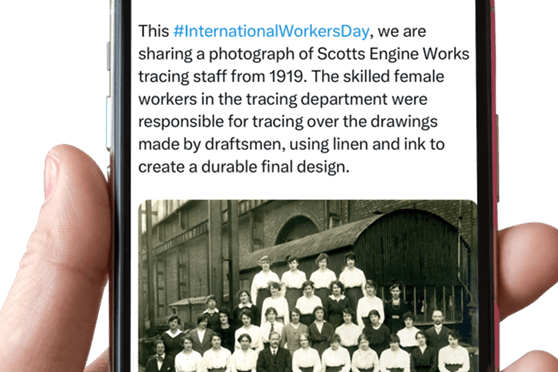
Noel’s also a big fan of weekly hashtags which are a quick way to fill up your content calendar and get your creative juices flowing. It’s particularly helpful to have clear structure when you’re short on time. They love #OnlineArtExchange (organised by Art UK, happens every Thursday) and regularly engage with #ArchiveHour, #FossilFriday and #MothMonday.
LEARN FROM OTHERS
Other organisations can also be great sources of inspiration. Take a look at their balance (e.g., how often they post, their split between collection and event content, do they create blog posts or podcasts) and take note of the key dates they use.
Some of Noel’s favourites are National Galleries Scotland, the Ashmolean Museum, The McManus: Dundee’s Art Gallery & Museum and Aberdeen Uni Museums and Special Collections.
CREATE A CONTENT CALENDAR
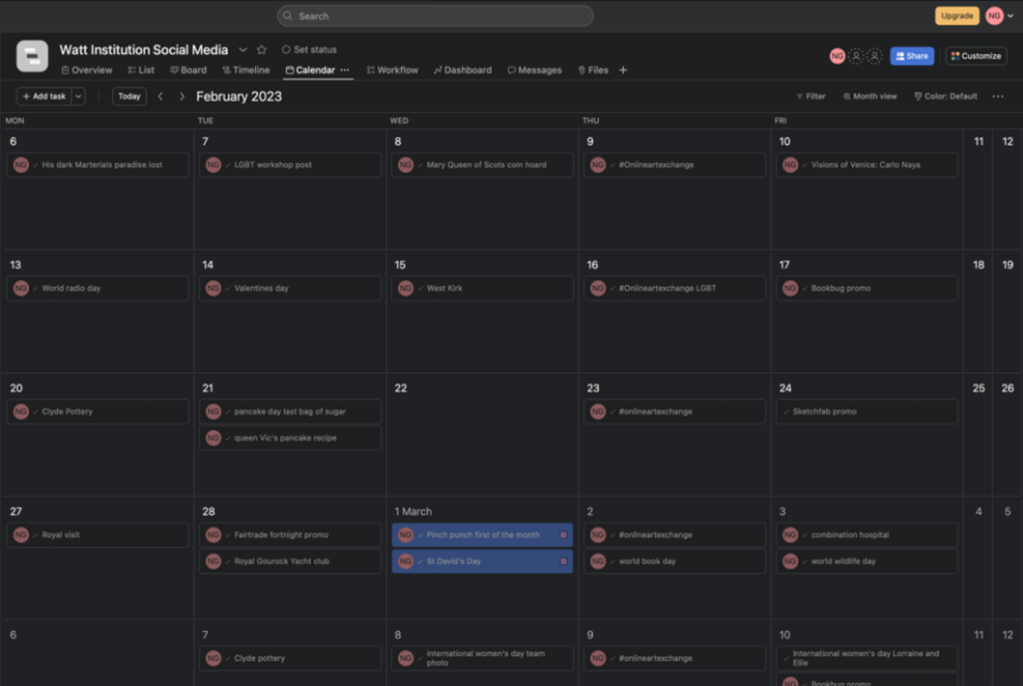
Noel has experimented with different solutions and prefers Asana which lets you view and track upcoming posts and set different tasks for yourself. You can also write out text in the calendar (e.g., one for Facebook and one for X) then upload content and by viewing posts at a glance, you can ensure that you’re diversifying (e.g., showcasing different collections each week). You could also try to colour code the calendar and pick different colour for different types of posts.
Asana also allows you to collaborate on the calendar and share the workload so colleagues can see gaps, which is particularly useful when working part time.
SET TIME BOUNDARIES
Noel admits that this is easier said than done but try to schedule a set amount of time in your work month for:
- Planning
- Content creation: e.g. taking photos, creating graphics; Noel spends a lot of time on content as good photos = good engagement
- Audience engagement: it’s really important to reply to questions/comments and engage with other museums; try to do this during slumps in your day and limit the time (e.g., 15 minutes before lunch)
- Monitoring and analysis: Noel prefers the end of each month as they plan posts a month in advance which means they can tweak posts based on analytics
WORK IN BATCHES
Create series of posts all at once (e.g., then and now posts) to significantly reduce your workload. This will save you from stopping and starting and having to remember how you created them.
REUSE AND REPURPOSE CONTENT
Examples from Noel including reusing high-quality images for infographics, taking photos when you’re scanning an object, splitting up films into shorter Reels and turning filmed interviews into audio recordings for podcasts.
PLAY TO YOUR STRENGTHS
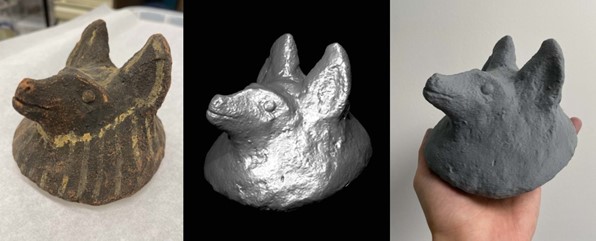
On that note: play to your strengths and existing skills. Don’t try to produce a complicated animated video about Egyptian artefacts if you’ve never used editing software before and you work in an industrial heritage museum.
Sometimes the simplest posts, like local history photos, perform the best anyway.
ALWAYS CARRY A CAMERA
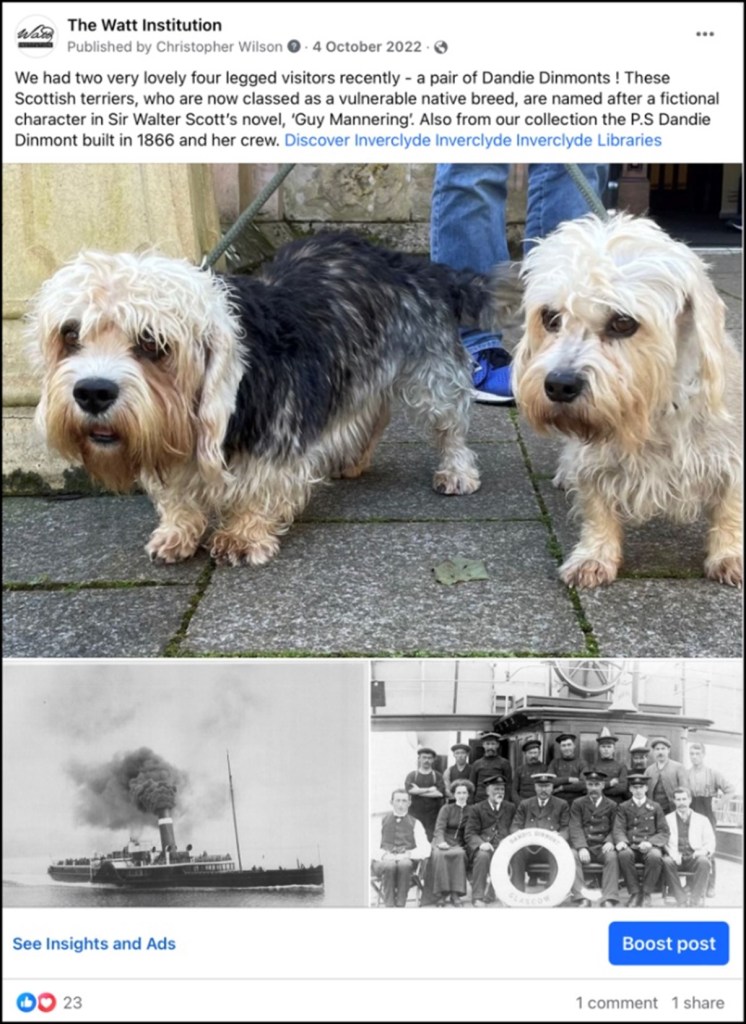
There’s a good chance that you’re covering multiple roles (e.g., behind the scenes, front of house) so keep a camera with you at all times as inspiration for posts can come from anywhere (e.g., dogs visiting your site).
It can be easy to forget to take photos while in the midst of an event, but if you can get into a routine, it saves you from constantly working on social media.
ASK FOR HELP
You don’t have to go it alone. Work with colleagues and gain an understanding of the collections so you can tap into their expertise.
Colleagues, volunteers and members of the community might also be able to help create content. Curators could write blog posts, school groups could create films, and volunteers could share their behind-the scenes-stories with #VolunteerSpotlight.
Social media takeovers in particular really help with the workload and it means you can focus on engaging with audiences or creating other content. It helps to offer flexibility (e.g., don’t force them to be on camera) and give them questions to answer like an interview.
CONSIDER AUTOMATION
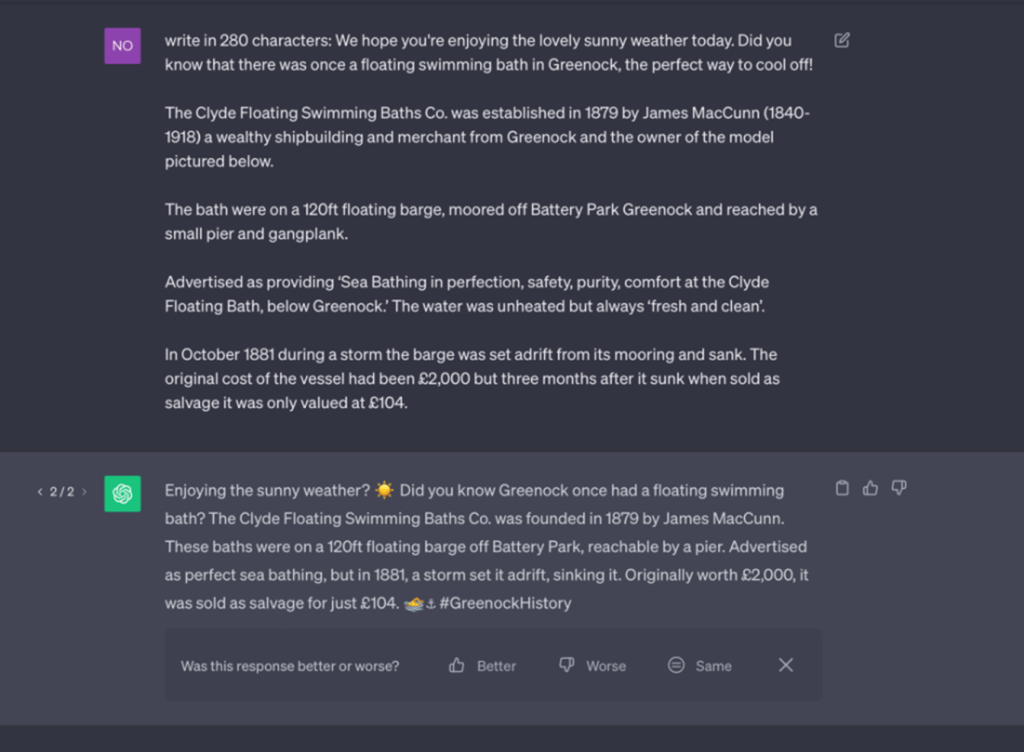
When drafting posts, Noel will write down everything they want to say which can be fine for blogs and Facebook posts, but it can be frustrating to have to shorten it for platforms like X.
So Noel uses ChatGPT to write shorter and more concise posts. Although they don’t tend to use the output word for word, it does give them ideas for how post could be shortened and time to think about other content.
Inspired by their work? Head over to LinkedIn to connect with Noel or follow The Watt Institution on Facebook and X – and don’t forget to sign up to the SHSMG e-newsletter or follow us on X to find out about our next event and blog post.

 SHSMG
SHSMG 